Templatize designs for
Creating Design Systems, user acquisition and retention funnel for a reputed car manufacturer
Facilitate Design System, content creation, QA, dedicated use cases, and more
In older DS:
Live preview
Impact
No. of Subscriptions
206
Avg. Active from each OEM
Companies using SIXT
5
4 Active + 1 Pipeline
What is the problem at hand, user need and business goal?
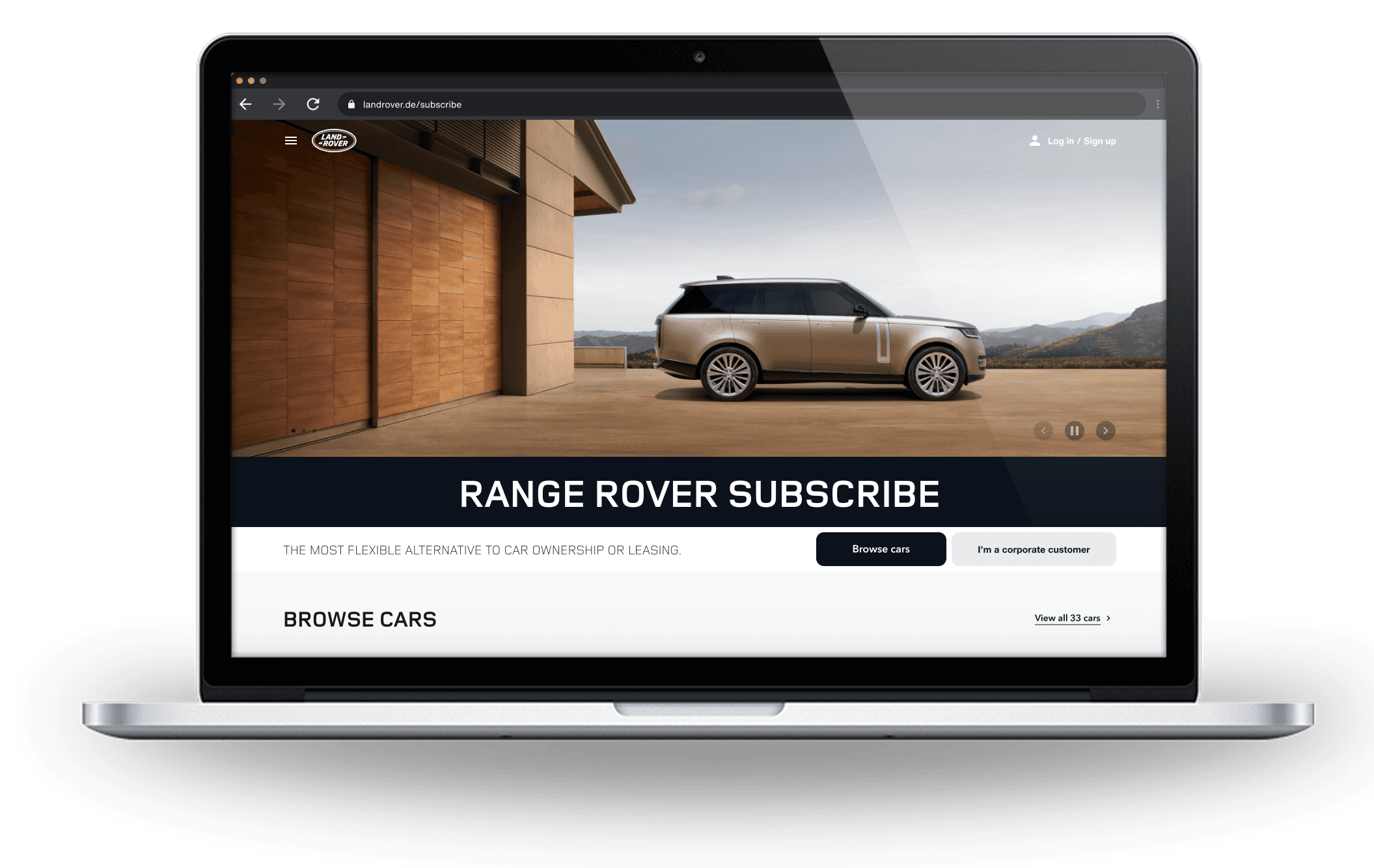
Templatising the booking funnel
Business goal
Ability to create quick translations for White Labels to OEMs as pitch decks
If pitches are accepted, follow through with the OEMs for content and customisations
Why would a design intervention be meaningful in problem solving?
Design prep for meeting business goal
Design Strategy
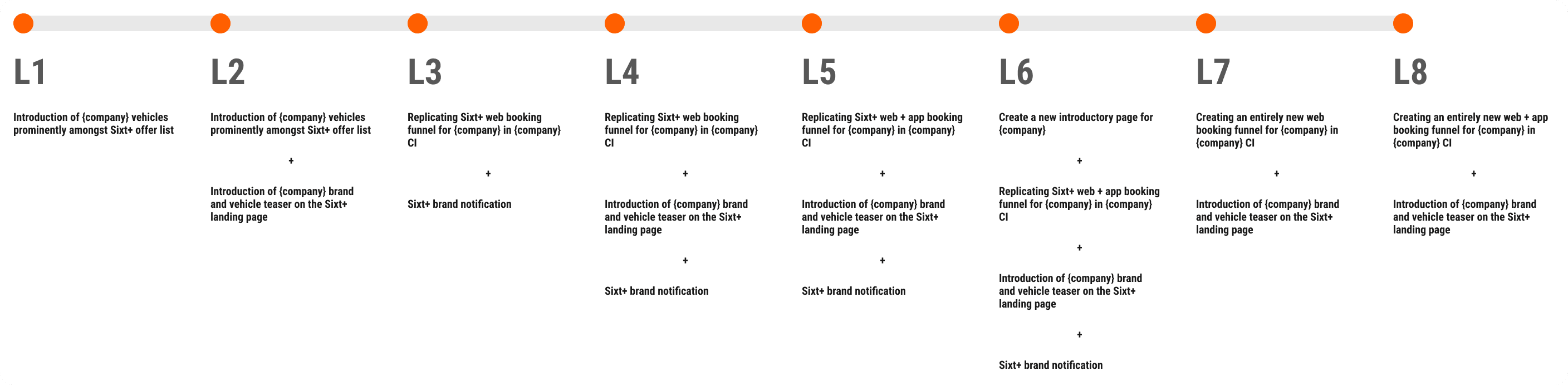
Create a degree of involvement template
Each level / degree to have an example, and pitch decks to OEMs to be based around it
Create a design system based on tokens
Colors
Typography
Corner radius
Elevation
Templatize each section, and make its visibility and content configurable at runtime through CMS.
Additionally, use these sections for SEO pages as well

Customisations and deviations
Each white label has a different configuration or customisation
Effort was done in minimising these customisation offerrings, white still keeping similarity in the templates
Example of deviations:
App only for post booking, not for booking funnel
Removing Friend Referral integration
Altering customer support away from SIXT to the OEM
No in-app cancellation of subscriptions for up-sell touchpoint
and so on
On the left, a video representation of the app instance with an OEM
How are the features prioritised, the information architecture arranged and presented?
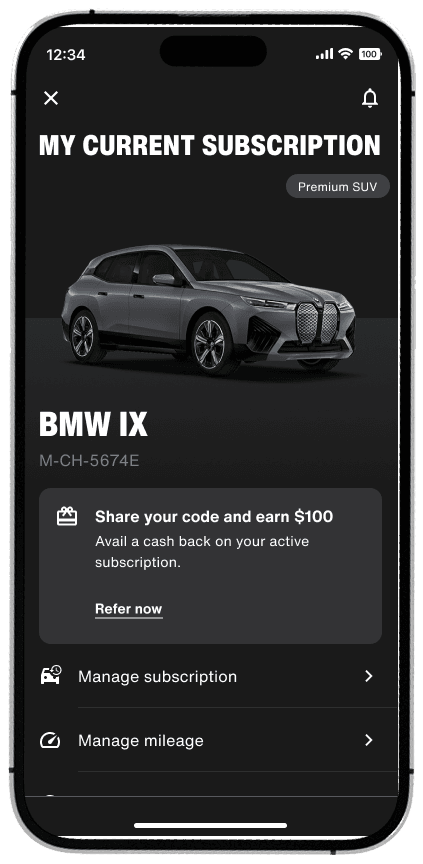
Current offerings
Examine the existing acquisition and retention channels for their scope, configurability and maintanability
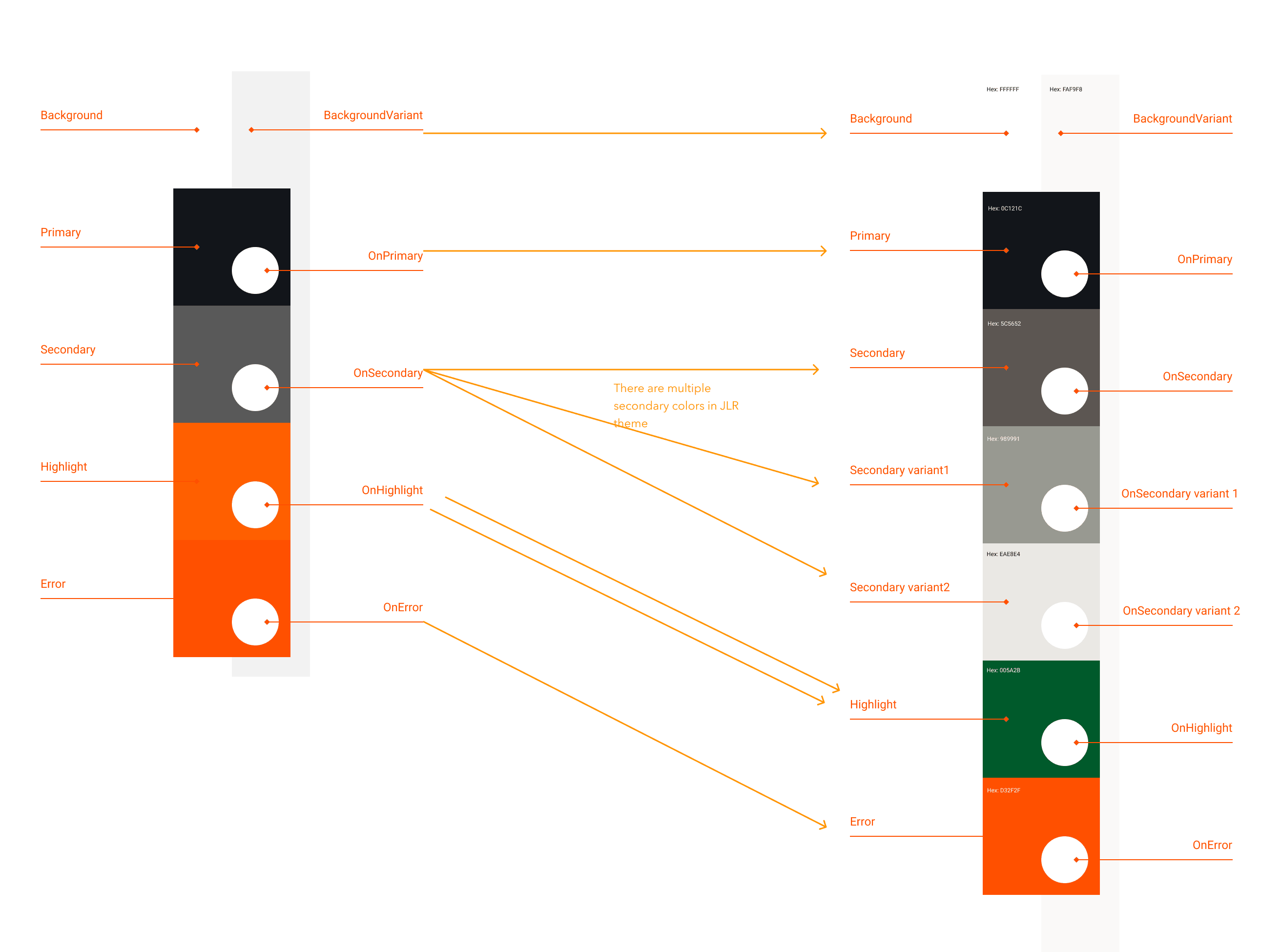
Mapping part 1
Examine standard patterns of contemporary Design Systems for potential OEMs, for the number of fonts, colors used.
Create a basic mapping and a promise-sheet for customisability and brand recognition
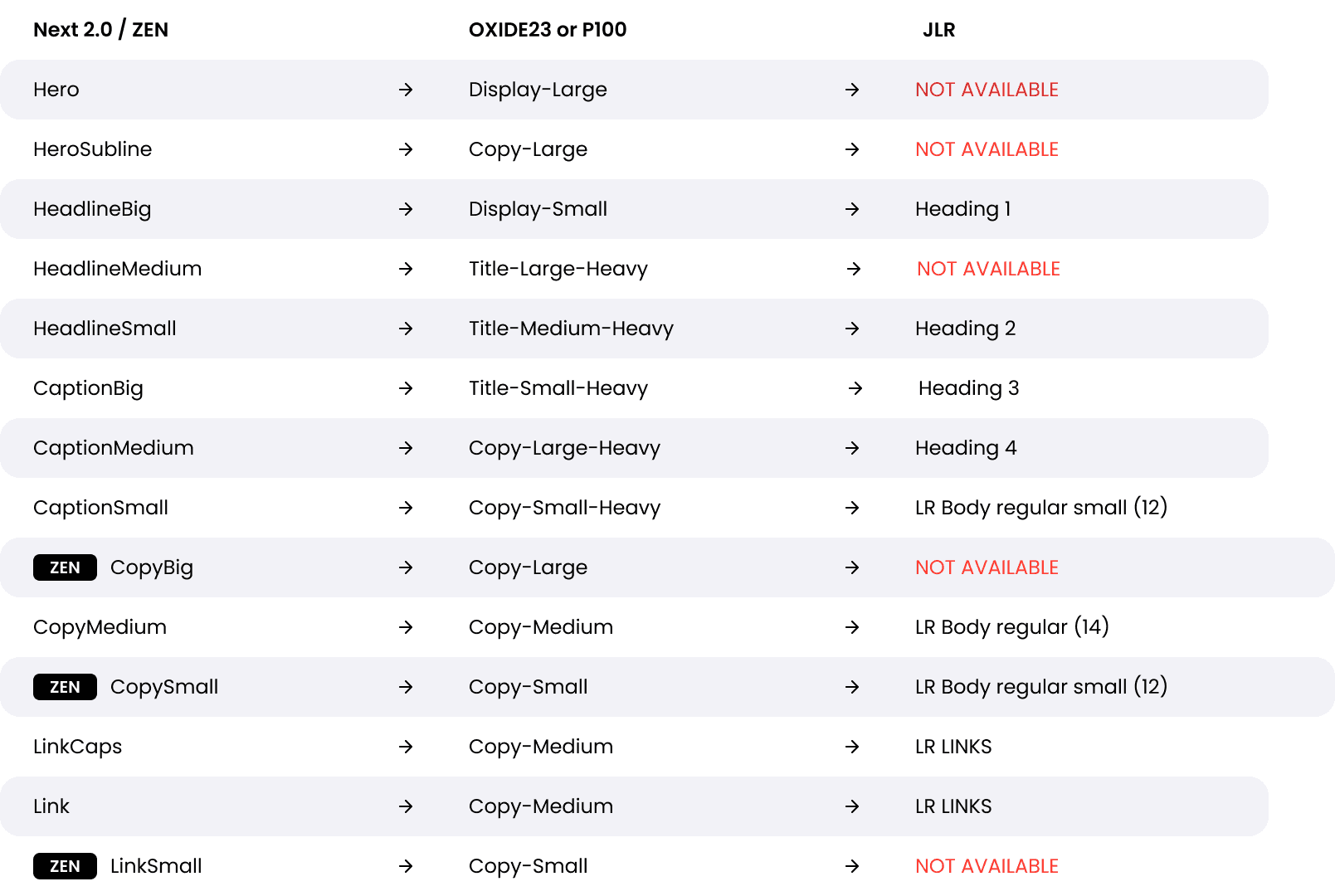
Mapping part 2
Build a design system around this number of customisations
Limit any further deviations from sales pitches
Create tokenised DS
Share information internally for downstream dependencies, such as account management, payment gateways, etc.
Generate missing pieces, to streamline OEMs requirements, such as custom support, splash screens, etc.
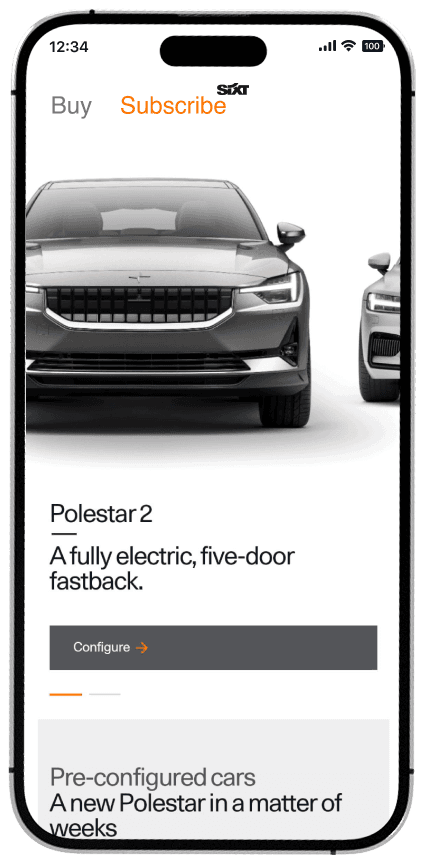
Degrees of customisation
Create examples for different degrees of customisation ranging from none to full and more
Represent design and internal team, synchronise and present configurability to OEMs
How does it look and feel to the users?
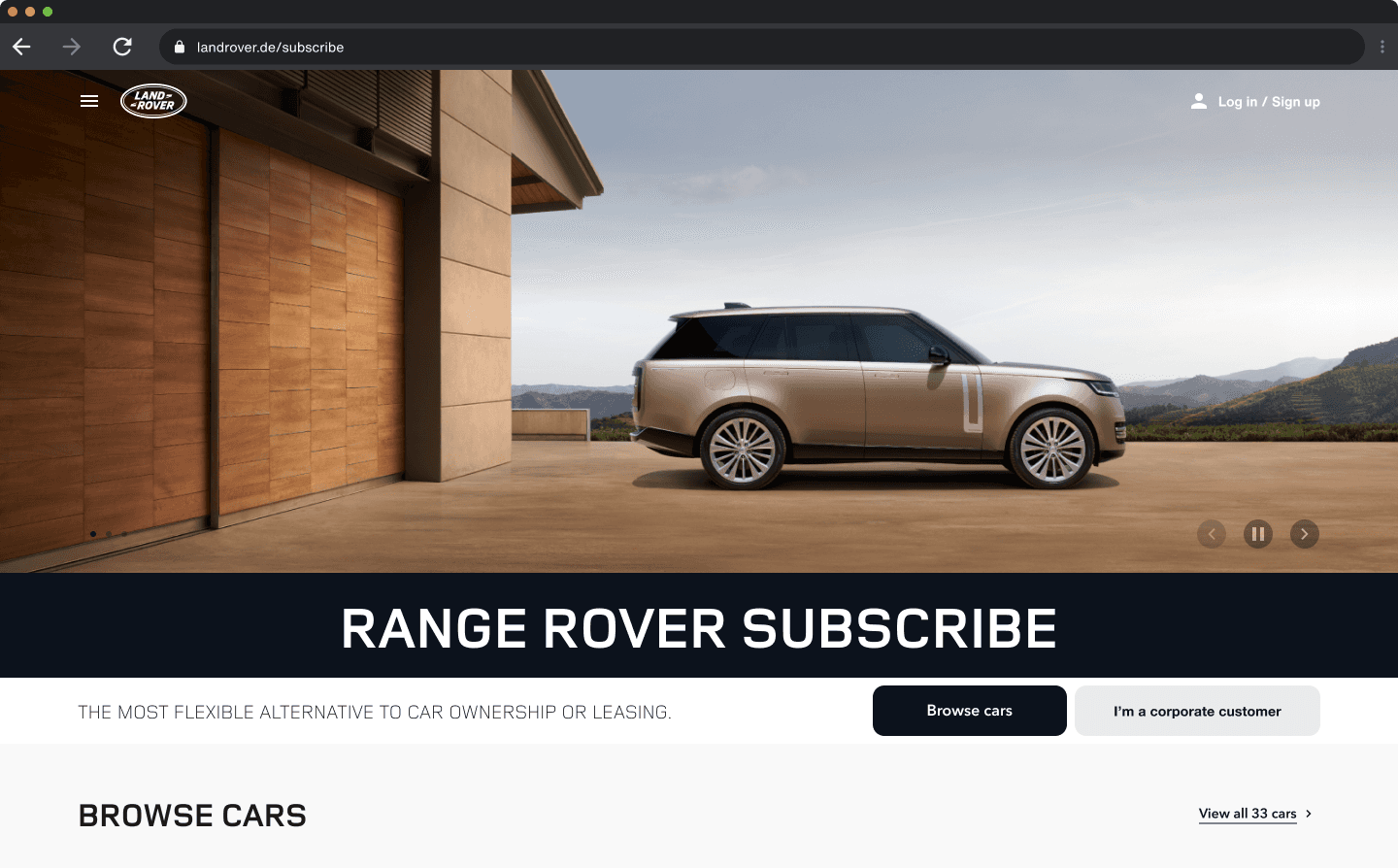
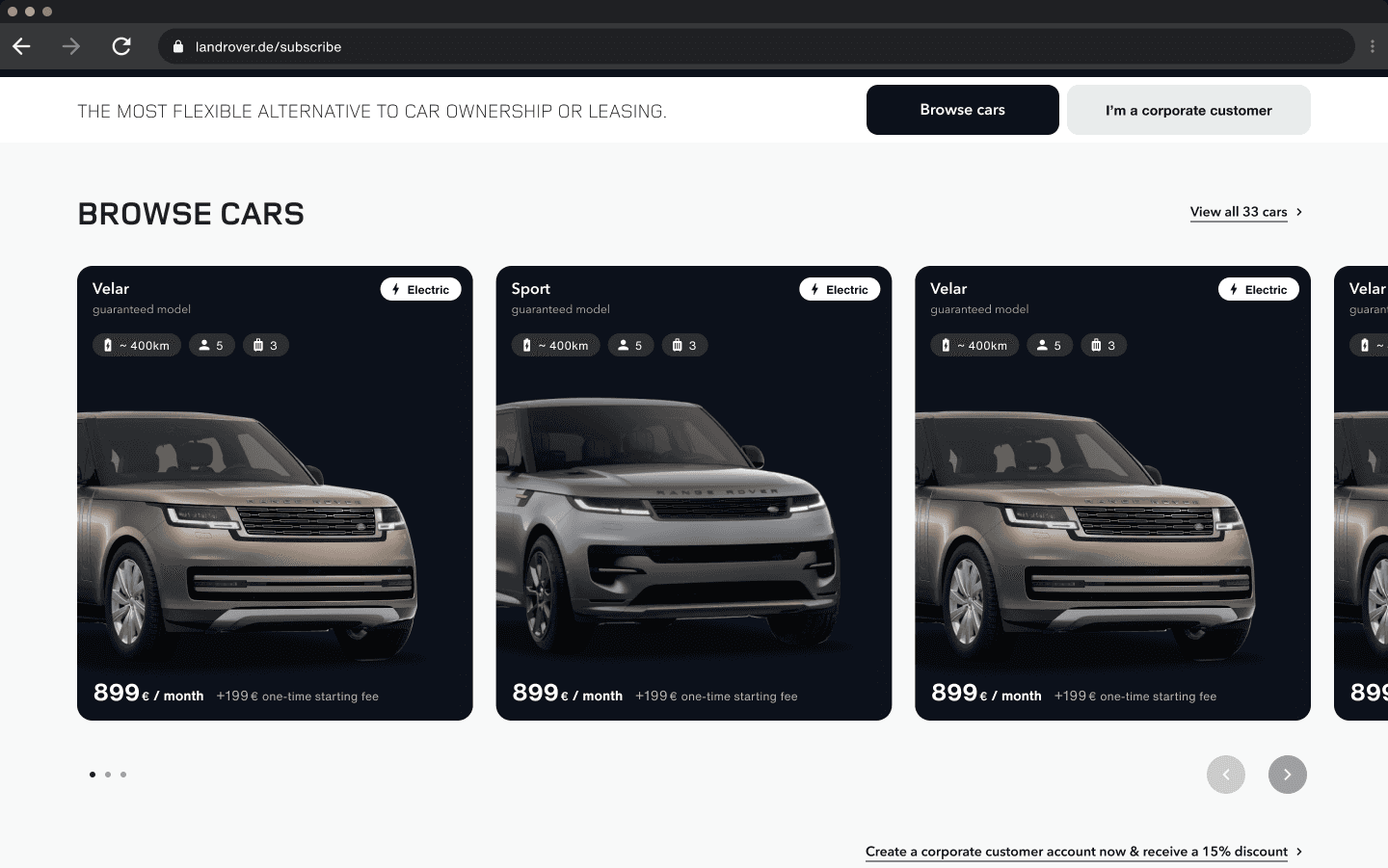
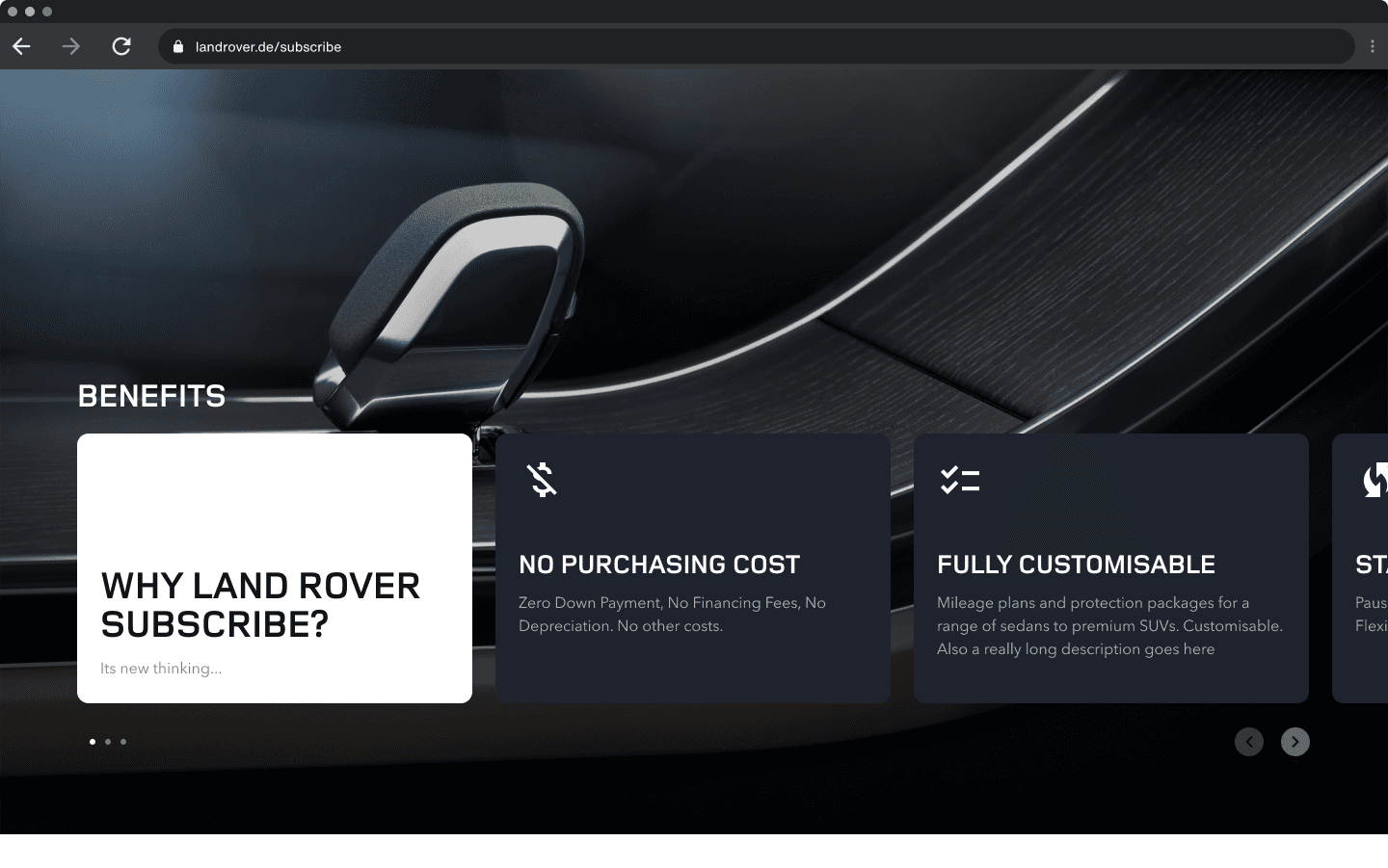
Creating Design system
Template & mapping
The entire Design System was tokenised and mapped to allow for quick change of Colors, Typography, Corner radius, Elevation and more…
Making this as a tokenised Figma parameter, and replicating it for developmental architecture
Challenges
Different number of font styles and weights
Similarity with brand and content color
Capitalisation for button labels
Base color anomalies, and so on
Deployment
The deliverable for each OEM is a website for customer acquisition and an App for customer retention.
The deliverable for my team is the templatised version for acquiring other OEMs with the afformentioned packages. Example linked.
Link to the deployed iOS app here
For Android